[Beginner’s Guide #7]How to Choose the Right Mac Specs: Why Your First Decision Is Final

When purchasing a traditional Windows PC, you can easily upgrade individual components like RAM or storage later, or simply replace a single broken part if something fails. With a Mac, however, post-purchase upgrades, part replacements, and single-component repairs are completely impossible.
Modern Macs built on Apple Silicon use a tightly integrated architecture where the CPU, GPU, and Unified Memory (RAM) are fused into a single chip, while the internal storage drive is soldered directly onto the mainboard. Because the entire system operates as one unified board:
- No upgrades: You cannot open the case to add extra RAM or install a larger internal storage drive later.
- No individual part repairs: If a single memory or storage chip fails, technicians cannot replace just that part. Instead, the entire Logic Board must be replaced, which often costs nearly as much as a new machine.
Because of this structure, buying a Mac requires two foundational rules:
- Select specs based on a multi-year lifespan — Consider not only your current needs but also your expected workload 2–3 years from now.
- Avoid both over-spending and under-specing — Buying maximum RAM and the top chip out of fear wastes money on power you may never use. Buying an under-configured model to save money can lead to slowdowns that force you to replace the entire machine later.
Choosing the right specifications from day one is the single most important decision when buying a Mac.
1. The Structure of Apple Silicon: Why Initial Specs Are Final
- Unified Memory (RAM)
Placed directly alongside the processor cores, allowing extremely fast access between CPU and GPU — but locked permanently to its factory capacity. - Soldered Storage Drive
Flash memory chips are permanently attached to the board and encrypted to your Mac’s processor. External drives can hold extra files, but internal storage capacity remains fixed for life. - The Long-Term Mindset
Because parts cannot be added or replaced individually, always choose a configuration that can comfortably handle your target workflow over several years.
2. Mac Lineup & Form Factors
Apple divides its lineup into portable laptops and stationary desktops.
Laptops
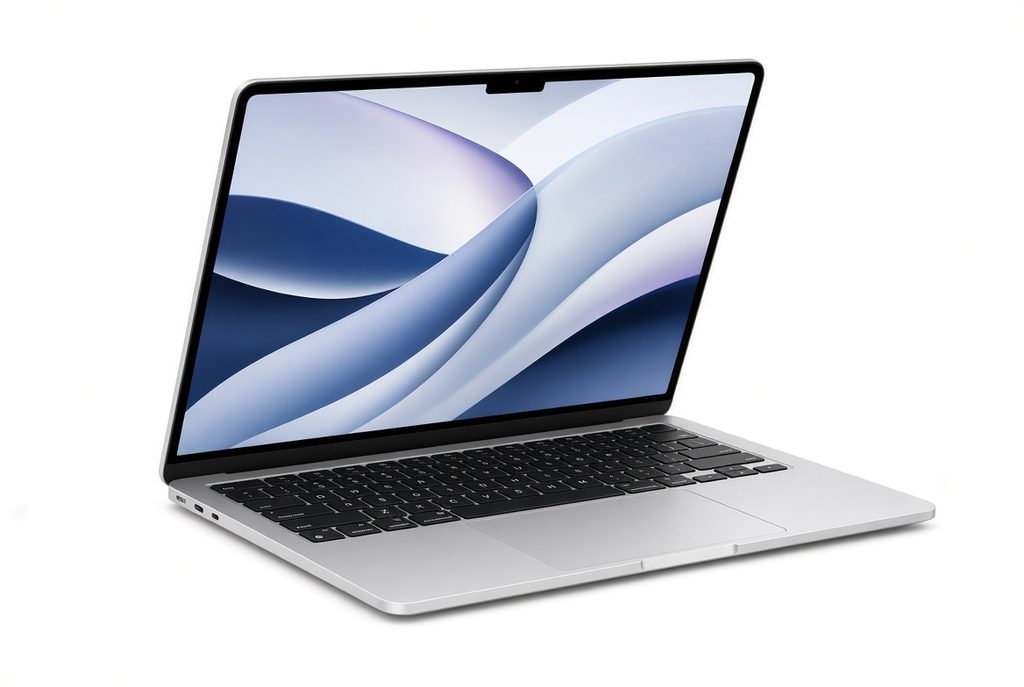
- MacBook Air (13-inch & 15-inch)
Fanless, completely silent design with all-day battery life. Ideal for students, office work, and casual photo/video editing.
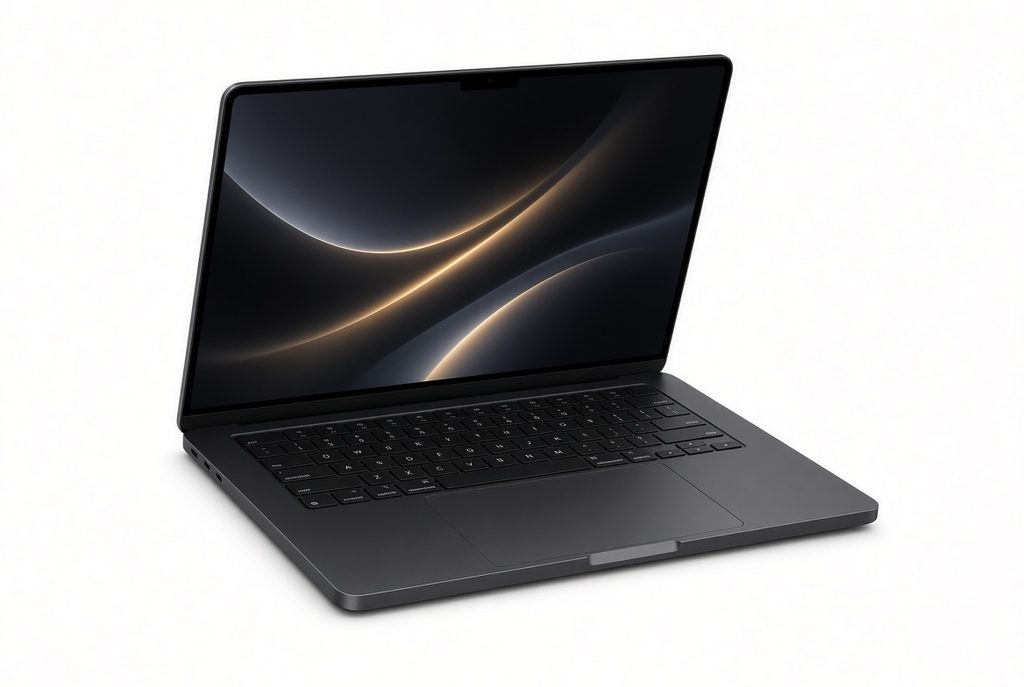
- MacBook Pro (14-inch & 16-inch)
Active cooling, high-speed ports (HDMI, SD card), and smooth 120Hz displays. Designed for developers, video creators, 3D artists, and heavy workloads.
Desktops
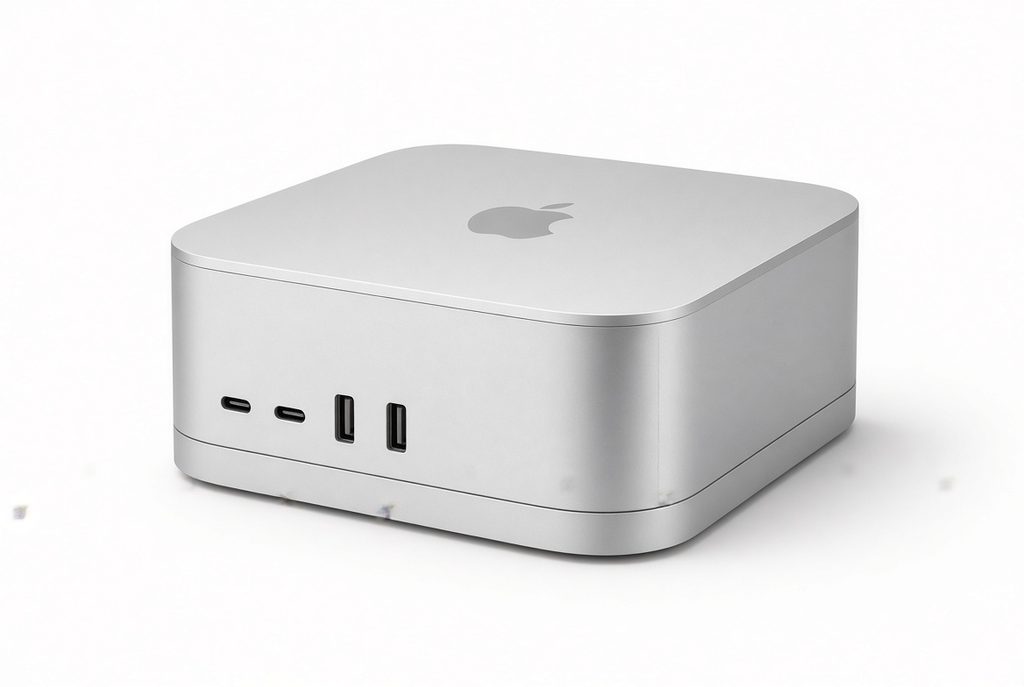
- Mac mini — Compact and budget-friendly for users who already own a monitor, keyboard, and mouse.
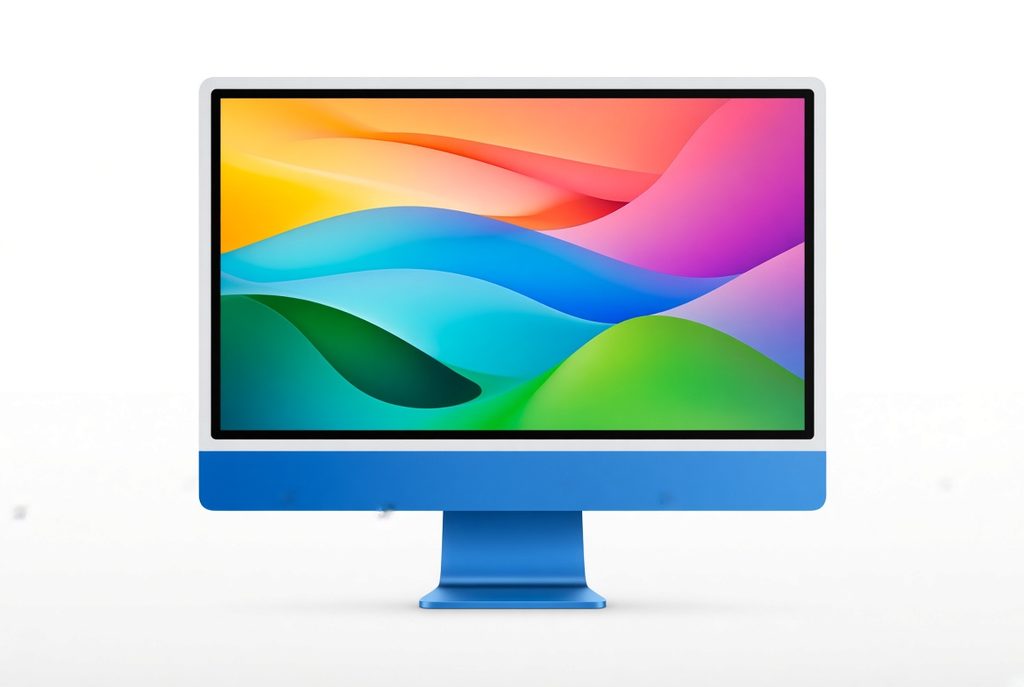
- iMac (24-inch) — All-in-one design that integrates display, camera, speakers, and hardware into a single thin unit.
- Mac Studio & Mac Pro — High-performance workstations for 8K video editing, heavy 3D rendering, and advanced AI work.
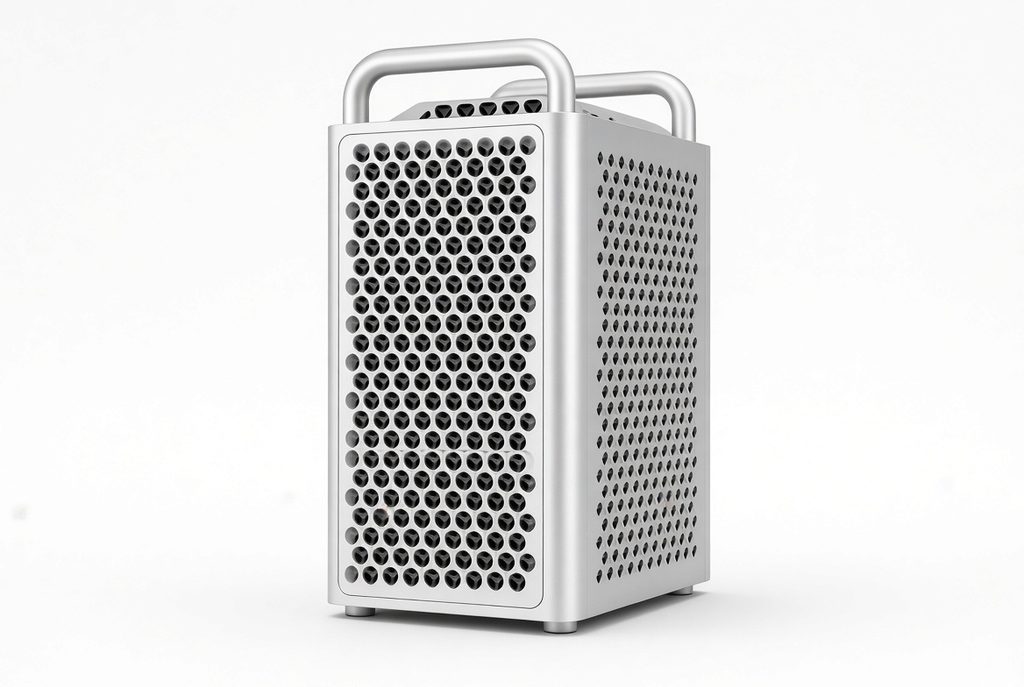
3. M-Series Chips & Memory Matching Guide
| Chip Tier | Primary Workloads | Recommended RAM |
|---|---|---|
| Base M-Series | Web browsing, documents, light media work | 16GB (minimum for long-term use) |
| M-Pro Series | Code compilation, multi-track audio, heavy 4K editing | 24GB – 36GB |
| M-Max / Ultra Series | 3D animation, 8K rendering, large AI models | 36GB – 64GB+ |
Storage Recommendation: Aim for at least 512GB. A 256GB drive fills up quickly with system updates and apps, leaving little room for daily work.
4. Recommended Configurations by Use Case
| Target Audience / Use Case | Recommended Model | Optimal Specification |
|---|---|---|
| College students, general office, daily use | MacBook Air 13″ or 15″ | Base M chip / 16GB RAM / 512GB storage |
| Developers, photographers, video creators | MacBook Pro 14″ or Mac mini | M-Pro chip / 24–36GB RAM / 512GB–1TB storage |
| Clean desk aesthetics, home office | iMac 24″ or Mac mini | Base M chip / 16GB RAM / 512GB storage |
| Professional studios, heavy 3D / 8K work | MacBook Pro 16″ or Mac Studio | M-Max/Ultra chip / 48GB+ RAM / 1TB+ storage |
Avoid These Common Buyer Mistakes
- Underestimating RAM needs
Buying lower RAM to save money leads to memory pressure and slowdowns that cannot be fixed later without replacing the entire Mac. - Overspending on a Pro for basic tasks
MacBook Air delivers the same daily performance for web, documents, and streaming without the extra cost of Pro cooling and ports. - Paying Apple’s high prices for large internal storage
Expanding internal storage to 2TB or 4TB is expensive. A 512GB internal drive combined with a fast external Thunderbolt drive is far more cost-effective for extra files.
Final Takeaways
Buying a Mac requires a completely different approach than a modular Windows PC. Because every component is permanently integrated, you cannot upgrade parts later, and repairing a broken part means replacing the entire board.
For most users and students, a MacBook Air with 16GB RAM and 512GB storage is the sweet spot for longevity, portability, and value. Demanding professionals should start with an M-Pro or M-Max chip and 24GB+ RAM from day one to ensure a smooth workflow for years to come.
Next Article: Read the next part of the series:[Beginner’s Guide #8] How to Check Your Current Computer Specs: Windows and Mac
Previous Article: [Beginner’s Guide #6] How to Read Motherboard Specs: Choosing the Right Foundation for Your PC

[…] Previous Article: [Beginner’s Guide #7]How to Choose the Right Mac Specs: Why Your First Decision Is Final […]