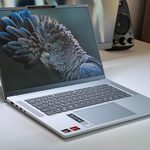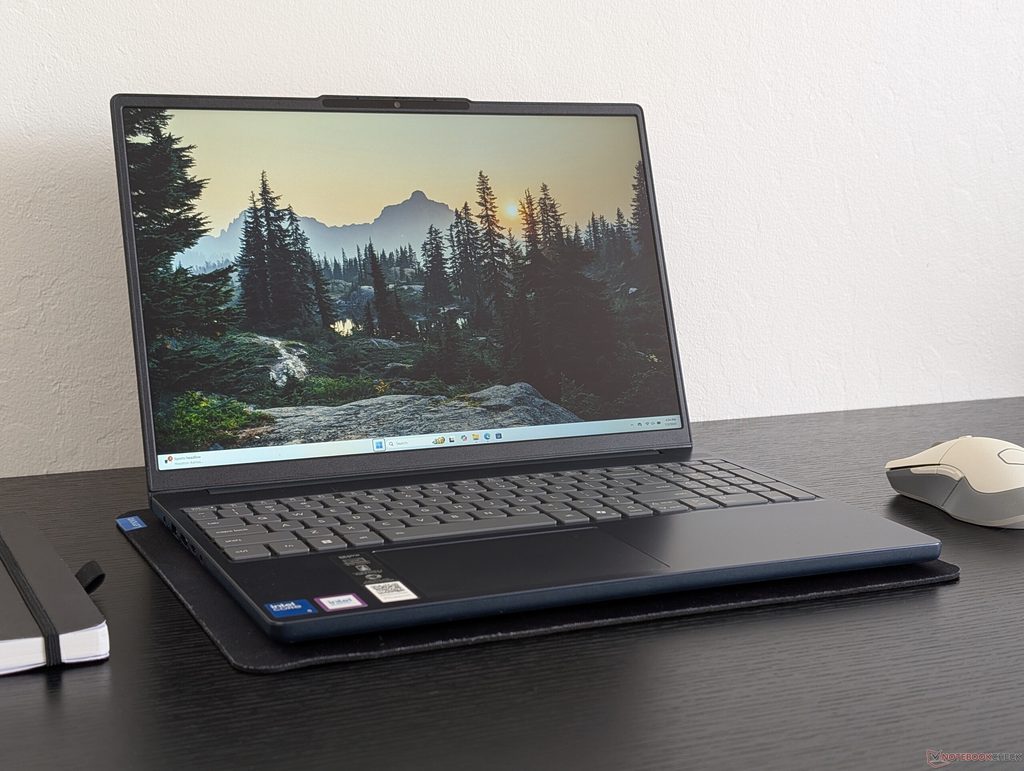
Image Source: Tech Reviewer / Hands-on Photo
Who Is It For?
The IdeaPad Slim 3 is used by students and office professionals who require a basic machine for document editing, web research, and video conferencing. It fits the needs of home users who want a large display for media streaming and light photo editing. It also serves as a primary computer for those who prioritize a lightweight plastic chassis and a variety of built-in ports over high-end materials. The inclusion of a full-size SD card reader and a physical webcam shutter makes it a choice for those who move between different work environments and need a device that is easy to set up and transport.
If this form factor or power doesn’t quite fit your daily work, exploring other lineup categories would be a better path.
1. Check Before You Buy
Display Technology: TN vs. IPS Panels
The IdeaPad Slim 3 is available with two different types of screen technology, and the difference is visible during daily use. The TN (Twisted Nematic) panel is often found in the most affordable configurations. This type of screen has limited viewing angles, meaning the colors and brightness change or invert if the screen is tilted back or viewed from the side. The IPS (In-Plane Switching) panel provides consistent colors and brightness even when viewed from an angle. Both versions typically feature a Full HD resolution (1920×1080) and a matte anti-glare coating. The brightness level is usually 250 nits, which is sufficient for indoor environments but results in a dim image when used near a bright window or under direct sunlight.
Chassis Material and Structural Flexibility
The entire body of the IdeaPad Slim 3 is constructed from plastic materials. This choice of material keeps the weight low, making the 14-inch version easy to carry in a backpack. However, plastic has more physical flexibility than the aluminum used in more expensive series. Pressing on the center of the keyboard or the lid results in a visible dip in the surface. This flexibility is a characteristic of the material and does not indicate a mechanical failure. The surface often features a brushed texture to resemble metal, but the tactile feel is that of plastic. The hinge allows the screen to open wide, but the base of the laptop is light, so opening the lid usually requires two hands to prevent the bottom from lifting off the desk.
Memory Configuration and Soldered RAM
The internal memory of the IdeaPad Slim 3 often uses a hybrid design. In many models, a portion of the RAM, such as 4GB or 8GB, is soldered directly to the motherboard and cannot be removed or replaced. Some versions include one additional physical slot that holds a removable memory stick, while others are fully soldered with no expansion options. If a unit is purchased with 8GB of soldered RAM and no slot, the memory capacity is fixed for the life of the device. If a slot is present, the total memory can be increased by adding a larger stick. Verifying the “soldered” versus “slotted” status on the sales page is a necessary step for those who plan to increase memory as software requirements grow.
USB-C Port Functionality and Charging
The USB-C port on the IdeaPad Slim 3 is often limited in its capabilities. In many configurations, this port is for data transfer only, meaning it can move files to an external drive but cannot charge the laptop or connect to an external monitor. This requires the use of the dedicated barrel-style power adapter and the HDMI port for displays. Some newer or higher-tier versions of the Slim 3 include a USB-C port that supports Power Delivery (charging) and DisplayPort (video), but this is not standard across the entire series. The HDMI port is typically version 1.4b, which limits external 4K monitors to a 30Hz refresh rate, resulting in less smooth mouse movement on high-resolution screens.
Thermal Management and Fan Activity
The cooling system consists of a single fan and heat pipes that move thermal energy away from the processor. During basic tasks like typing or browsing, the fan often remains at a low speed or stays off. When the processor is under a heavy load, such as during a system update or a video call with many participants, the fan speed increases. This results in a steady whirring sound from the vents located near the hinge and the bottom of the laptop. The heat is primarily exhausted through the rear, and the area above the keyboard will feel warm to the touch during these periods. The plastic chassis does not dissipate heat as quickly as metal, so the internal temperatures are managed by the system software.
2. How It Fits a Real Desk Setup
Physical Footprint and Workspace
The IdeaPad Slim 3 occupies a desk space determined by its screen size. The 15.6-inch model requires an area of approximately 36 cm by 24 cm. The port distribution is primarily located on the left side of the machine. This includes the power input, one USB-A port, the HDMI port, and the USB-C port. This layout means that cables for power and external monitors will protrude from the left side. For right-handed users who use an external mouse close to the laptop, the right side remains relatively clear, usually housing only a single USB-A port and the SD card reader. The SD card reader is a full-size slot, which allows for the direct insertion of camera cards without an adapter.
Keyboard Layout and Numeric Keypad
The 15.6-inch and 17.3-inch models include a full numeric keypad on the right side of the keyboard. This shifts the main QWERTY keys and the touchpad slightly to the left of the center of the chassis. For those who perform heavy data entry or financial calculations, the numeric keypad is a physical tool built into the device. The 14-inch model does not have this keypad, allowing the keyboard and touchpad to be centered. The keys have a standard travel distance, providing a tactile response that is consistent across the layout. Most models in this series do not include a keyboard backlight, making the keys difficult to see in dark environments.
Audio and Video for Meetings
The webcam is located at the top of the screen and includes a physical privacy shutter. This is a plastic slider that can be moved across the lens to provide a visual confirmation that the camera is covered. The camera resolution is typically 720p, which provides a standard image quality for video conferencing in well-lit rooms. The dual microphones are positioned near the camera to capture voice while filtering out some background noise. The speakers are located on the bottom of the chassis and fire downwards. The sound quality is influenced by the surface the laptop is sitting on; a hard desk reflects the sound toward the user, while a soft surface like a lap or a bed will dampen the audio.
External Connectivity and Charging
Connecting the IdeaPad Slim 3 to a desk setup involves using the HDMI port for a monitor and the USB-A ports for peripherals. Because the USB-C port often lacks video output, a docking station that relies on DisplayPort Alt Mode will not function for external screens. Users who require multiple monitors will need to use a USB-to-HDMI adapter that uses its own video driver. The power adapter uses a barrel connector, so the charging cable is separate from the data ports. The inclusion of two or three USB-A ports allows for the simultaneous connection of a mouse, a keyboard, and an external storage drive without needing a USB hub.
3. Performance by Use Case
The performance of the IdeaPad Slim 3 is determined by the specific processor and the amount of RAM installed. The following ratings assume a configuration with 8GB or 16GB of RAM.
| Use Case | Software | Rating | Reason |
| Office Productivity | Excel, Word, Outlook | Sufficient | Fast response times for standard documents and emails |
| Web Browsing | Chrome, Edge (10+ tabs) | Sufficient | 8GB+ RAM handles multiple active tabs without lag |
| Video Meetings | Zoom, Teams, Google Meet | Sufficient | Integrated graphics and microphones handle calls well |
| Photo Editing | Photoshop, Lightroom | Adequate | Possible for basic edits, but screen color accuracy is standard |
| 3D Gaming | AAA Games (Modern) | Not enough | Integrated graphics are not intended for heavy 3D games |
The ratings above reflect the capabilities of the hardware when connected to a power outlet. Performance in specific applications will depend on the complexity of the project files and the thermal mode selected in the Lenovo Vantage software.
4. Official Specs (with plain explanations)
| Category | Specification | Notes |
| CPU | Intel Core i3/i5/i7 or AMD Ryzen 3/5/7 | Standard mobile processors for daily productivity tasks |
| Graphics | Intel UHD / Iris Xe or AMD Radeon | Integrated graphics sharing system memory for visuals |
| Memory | 4GB / 8GB / 16GB DDR4 or DDR5 | Often soldered with one optional expansion slot |
| Storage | 128GB / 256GB / 512GB / 1TB SSD | Replaceable internal M.2 high-speed storage drive |
| Display | 14″ / 15.6″ / 17.3″ FHD (1920×1080) | TN or IPS technology with matte finish |
| Weight | Approx. 1.4 kg to 2.1 kg | Plastic chassis, weight varies by screen size |
| Battery | 38Wh / 45Wh / 47Wh Lithium-polymer | Small to mid-range capacity for the category |
| Ports | USB-C, USB-A, HDMI, SD Card Reader | Basic physical connections for standard office peripherals |
This series is sold with different CPUs, memory, and storage depending on the release year and generation. Please match the specifications on your current seller page with the official information above.
Source: Lenovo Official Product Page
The technical specifications listed above represent the hardware foundation of the IdeaPad Slim 3. These components determine how the machine handles software and how it physically fits into a mobile or stationary setup. Understanding these individual parts helps in identifying which specific configuration appears on a retail listing.
5. Main Variations in This Series
The IdeaPad Slim 3 series includes several hardware combinations that change the processing speed and visual experience. These variations are often tied to the specific model number and the year of release.
- Processor options range from entry-level Intel Core i3 or AMD Ryzen 3 to mid-tier i7 or Ryzen 7, which changes the speed of data processing.
- Display technology is a major variable, with some models using TN panels and others using IPS panels, affecting viewing angles and color.
- Memory configurations often start with 4GB or 8GB soldered to the board, but some versions include an additional slot for a second memory stick.
- Battery capacities differ between the 38Wh, 45Wh, and 47Wh versions, which impacts the total time the device runs without a charger.
- Chassis sizes are available in 14-inch, 15.6-inch, and 17.3-inch formats, which changes the total weight and the presence of a numeric keypad.
6. What to Check on the Sales Page
When viewing an IdeaPad Slim 3 listing, the specific processor generation and the screen technology are the most important details to verify. Sellers often list different hardware versions under the same series name.
- CPU Generation: Check whether you are getting the Intel 12th/13th Gen or AMD Ryzen 7000 series processors.
- Screen Technology: Verify if the display is IPS or TN to ensure the viewing angles meet your needs.
- Memory Configuration: Confirm if the RAM is 8GB or 16GB and if there is an open slot for future upgrades.
- USB-C Features: Verify if the USB-C port supports “Power Delivery” or “DisplayPort” if you need those features.
- Battery Capacity: Check if the unit includes the 38Wh, 45Wh, or 47Wh battery for your runtime needs.
The specifications on a retail page can sometimes be generalized. Matching the manufacturer’s part number with the official datasheet is the most accurate way to confirm the internal hardware.
7. Disclaimer & Buying Advice
This buying guide for the IdeaPad Slim 3 is based on official manufacturer specifications and recurring real-world user experiences. It is completely independent, not sponsored, and does not guarantee specific performance for every unit. Hardware configurations such as the processor, memory, and storage can differ by generation and region, so please double-check the exact specifications listed on your seller’s page before purchasing.
8. Beginner Guide
If you are new to choosing computer hardware and want to understand the basics of these components, you can [Start Here] to learn more about how to read specifications.